
Grief doesn’t always begin with a goodbye.
For families facing a loved one’s serious illness, it can start much earlier, with small changes that signal life is becoming different. And after a death, grief can continue to surface long after we might expect.
“Grief can start long before a loved one passes away,” said Ashley Huisman, a bereavement coordinator and licensed social worker with Emmanuel Hospice. “It can happen as we anticipate the loss that is to come due to death and as we acknowledge small losses we see along the way from changes in health.”
Huisman said this “anticipatory grief” may involve sadness over a loved one’s declining independence, changing personality or need for more care. Family members may also struggle with changing relationships as they take on caregiving responsibilities alongside their roles as spouses, children or other loved ones.
The emotional weight can have physical and cognitive effects, too. Beyond feeling sadness, Huisman noted that crying itself takes up energy. Caregivers may feel exhausted, overwhelmed or forgetful as they balance grief with work and everyday responsibilities.
“Just like anytime in life, people are juggling a lot,” she added. “Life doesn’t stop when someone is coming onto hospice. It’s usually in addition to everything else.”
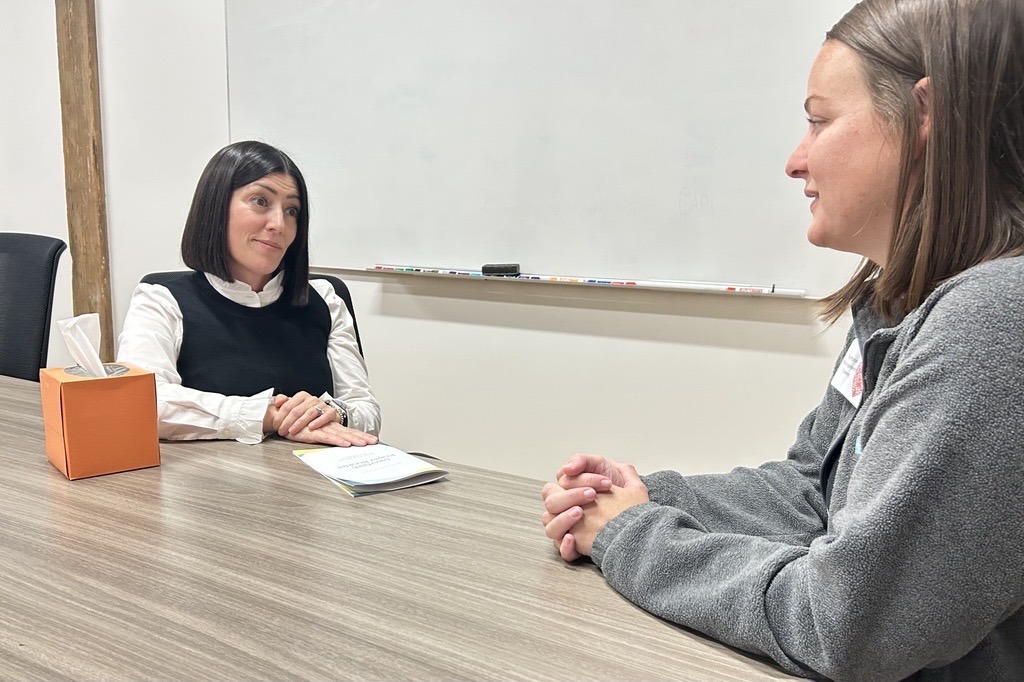
Grief support can help people understand their feelings and find a safe place to express them. Huisman said some people wonder if what they are experiencing is normal, while others need an opportunity to talk openly without worrying about how their words might affect family or friends.
“Grief looks different for different people,” she said. “Someone who rarely cries may grieve quietly, while another person may express their emotions more openly. For healthy grieving, we are looking at what is consistent with each individual’s personality and behaviors, and being somewhat close to that in grief.”
Fatigue, feeling mentally foggy and uncertainty about what comes next are common experiences. Huisman noted that finding routine is a helpful coping technique. Simple habits, such as getting dressed, eating a meal or taking a walk, can provide a little structure, so you feel like you know what’s coming next.
Taking breaks from grief is OK, too.
“There are times when it is appropriate to avoid a little bit of grief,” she said. “We cannot sit in our grief every minute of every day all the time.”
Spending time with friends, going to work or focusing on everyday tasks can give the mind and heart a needed reprieve. The important thing is having space to return to difficult feelings when ready.
Huisman emphasized there is also no single timeline for grieving or seeking support. Some people reach out within weeks of a death, while others need months before they are ready. Grief may also resurface around holidays, anniversaries or other meaningful milestones.
“Sometimes it can take months before our brain understands the reality that our loved one is not coming back,” she said. “Reaching out for support when you’re ready is all that’s important.”
Emmanuel Hospice offers free grief support, including calls, visits, support groups and creative coping opportunities. Its formal bereavement program runs for 13 months after a patient’s death, though families can seek support at any point beyond that period.
The nonprofit’s free grief support services also extend to anyone in the community. The team can also connect people with community resources or counselors when needed.
For anyone wondering whether their grief is normal or feeling alone in the experience, Huisman encourages reaching out. Support can offer reassurance, connection and a place to work through emotions at any stage of the journey.
For more information, call 616.719.0919 or visit EmmanuelHospice.org.