
Symptom Management
Find peace of mind by understanding what your loved one’s symptoms mean, what could be the cause and how to help. At Emmanuel Hospice, our care team is ready to assist during critical moments. Led by a medical director who is certified in hospice and palliative care medicine, our team of specialists embraces the hospice philosophy of comfort versus care.
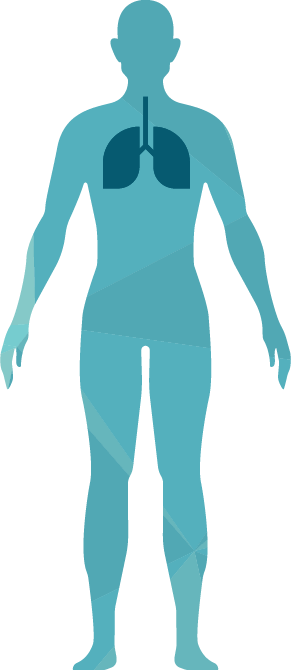
Trouble Breathing
Defined as breathlessness, shortness of breath or the feeling of not being able to catch your breath. Also described as chest tightness, working to breathe or breathing hard.
Possible Causes
- Diseases which may affect heart, lungs, airway and muscles
- Infections such as pneumonia
- Fluid overload
- Anxiety and/or fear
Interventions
Medications
Different types of medications can be used to help trouble breathing. These may include: Inhalers, steroids, oxygen, heart medications, pain medications (Morphine, etc.), anti-anxiety medications, diuretics (water pills)
Non-Medication
Pursed lip breathing, abdominal breathing, postural position: sitting upright (head of bed up) and leaning forward, a bedside fan or open window, creating a calming environment, calming activities and allowing time for rest
Complementary Services
- Massage
- Music
- Acupuncture/Acupressure
When to Call
- Anytime there are questions or concerns
- If experiencing distress
- New or worsening difficulty breathing
- Medications are not effective
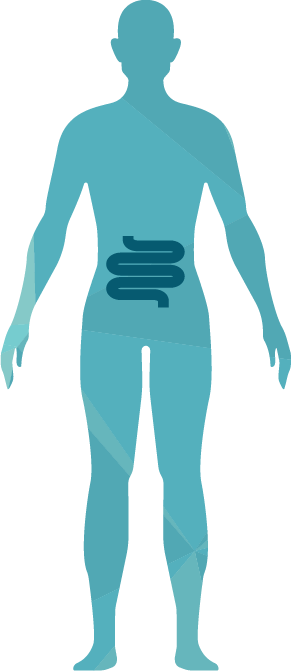
Constipation
Constipation occurs when bowel movements are less often than usual, when a person is having increased difficulty moving their bowels or when experiencing pain/discomfort with bowel movements.
Possible Causes
- Medications, most often pain medications
- Certain diseases
- Bowel obstructions
- Decreased intake of food and fluids
- Decreased physical movement
Interventions
Medications
- Stool softeners
- Laxatives
- Suppositories
- Fiber
Non-Medication
- Taking measures to prevent constipation (diet, fluid intake, medications)
- Fluids (water), fruit juice, soup, frozen treats, fruits and vegetables
- Physical movement when appropriate
- Proper positioning while having a bowel movement
When to Call
- Anytime there are questions or concerns
- Bowel movements are occurring less often than usual
- Experiencing new or worsening symptoms
- Prescribed medications are not helping
- If experiencing distress
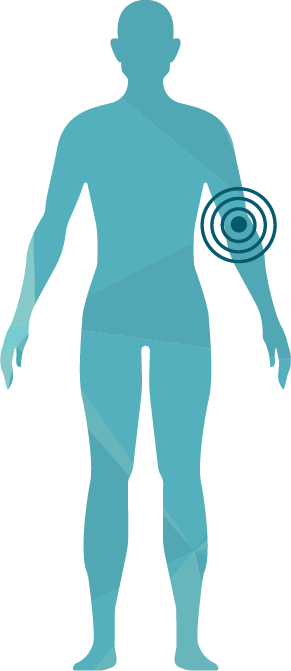
Pain
Pain can appear as restlessness, sleeplessness, discomfort, behavior changes (irritability, withdrawal), tearfulness, guarding of a body part, negative comments, moaning or calling out and facial grimacing or a furrowed brow.
Understanding Pain
How pain is experienced helps identify ways to manage pain.
- Nerve pain can be described as burning, numbness, “pins and needles”
- Skin, muscle, bone and joint pain can be described as dull, aching, throbbing
- Internal tissue and organ pain can be described as cramping, pressure, deep pain
- Pain can originate from emotional or spiritual distress, and may be difficult to describe
Interventions
Medications
Different types of medications can be used to manage pain as prescribed by the physician. These may include:
- Over-the-Counter Medications
- Prescribed medications may include: opioids (Norco, Morphine, etc.), anti-anxiety or antidepressant medications, anti-seizure medications, steroids
Non-Medication
Positioning for comfort, relaxation or distraction (ex. virtual reality), heat or cold, deep breathing, relaxing environment (lighting, music, blankets & pillows, etc.), emotional and spiritual support
Complementary Services
Massage therapy, music therapy, essential oils, acupuncture/acupressure, pet visitors
When to Call
- Anytime there are questions or concerns
- Experiencing new or worsening symptoms
- Prescribed medications are no longer helping
- If experiencing distress

Anxiety & Sadness
Anxiety causes feelings of stress, worry or fear that can show up as physical symptoms such as difficulty breathing, tightness in your chest and/or muscles, fast heart rate and sweating/ clamminess. Sadness can cause feelings of loss, despair, grief, helplessness, sorrow and disappointment.
Possible Causes
- Discomfort from symptoms such as pain, trouble breathing, and nausea
- Anxiety and sadness are natural emotional responses to terminal illness and uncertainty. While normal, these feelings can significantly impact quality of life. When these symptoms are shared with us, we can develop a plan together.
Interventions
Medications
Different types of prescribed medication can be used and may include:
- Anti-anxiety medications
- Antidepressant medications
Non-Medication
Deep breathing, emotional support, relaxing environment (lighting, music, blankets & pillows, etc.), decreased stimulation, treatment of symptoms causing anxiety (pain, nausea, etc.)
Complementary Services
- Massage Therapy
- Music Therapy
- Essential Oils
- Acupuncture/Acupressure
- Journaling
- Virtual Reality
When to Call
- Anytime there are questions or concerns
- Experiencing new or worsening symptoms
- Prescribed medications are not helping
- If experiencing distress
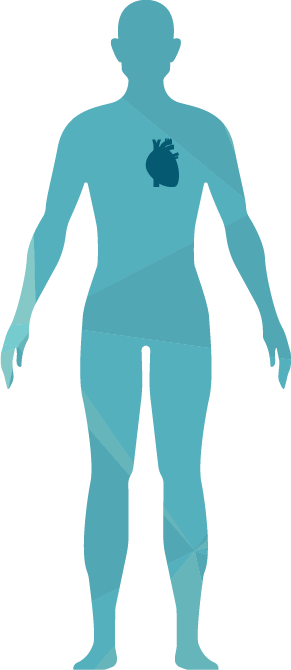
Heart Failure
Worsening heart failure can present as difficulty breathing, persistent cough, increased swelling (particularly in legs, ankles and abdomen), weight gain, loss of appetite and nausea, confusion and/or lack of energy.
Interventions
Medications
Different types of medications can be used to help worsening heart failure as prescribed by the physician.
These may include:
Diuretics, heart medications, anti-nausea medications, anti-anxiety medications, oxygen, pain medications (Morphine, etc.)
Non-Medication
Deep breathing, positioning for comfort, postural position: sitting upright (head of bed up) and leaning forward, a bedside fan or open window, relaxation or distraction (ex. virtual reality), relaxing environment (lighting, music, blankets & pillows, etc.), adequate time for rest, dietary changes, emotional and spiritual support
Complementary Services
Massage therapy, music therapy, essential oils, acupuncture/ acupressure, pet visitors, virtual reality
Heart & Soul Cardiac Program
Patients who are participants in the Emmanuel Hospice Heart and Soul Program may refer to the appendix titled, “My Action Plan” for personalized symptom management information.
When to Call
- Anytime there are questions or concerns
- Experiencing new or worsening symptoms (pain, nausea, etc.)
- Increased confusion or changes in behavior
- Changes in weight
- Skin breakdown (can occur with increased swelling)
- Prescribed medications are no longer helping
- If experiencing distress
It may be time to consider modifying or discontinuing heart medications when there are changes to:
- Fluid intake
- Blood pressure and heart rate (may experience dizziness or lightheadedness)
- Ability to swallow
- Ability to perform basic needs (standing, walking to bathroom)
- Goals of care (side effects may outweigh benefits)

Restlessness, Agitation and Delirium
Restlessness, agitation and delirium are common symptoms at the end of life.
These symptoms can develop rapidly and come and go over hours or days. Symptoms may include: confusion, inability to stay still, yelling or calling out, hitting, picking at clothes, undressing, inability to sleep and withdrawal.
Interventions
Prescribed Medications
Different types of medications can
be used and may include:
• Pain Medications
• Anti-anxiety medications
• Antipsychotic medications
• Sleep medications
Non-Medication
• Creating a calming and safe
environment (quiet room, lighting,
night lights, low bed)
• Keep routine consistent;
avoid surprises
• Use a quiet and reassuring voice
• Try distraction
• Turn on oxygen if applicable
Complementary Services
• Massage therapy
• Music therapy
• Essential oils such as lavender oil
When to Call
• Anytime there are questions or concerns
• Experiencing new or worsening symptoms
• Prescribed medications are
no longer helping
• If experiencing distress
Understanding Pain
• How pain is experienced helps identify ways to manage pain.
• Nerve pain can be described as burning, numbness, “pins and needles”
• Skin, muscle, bone and joint pain can be described as dull, aching, throbbing
• Internal tissue and organ pain can be described as cramping, pressure, deep pain
• Pain can originate from emotional or spiritual distress, and may be difficult to describe
Nausea & Vomiting
Nausea and Vomiting are common symptoms experienced at end of life. These symptoms can be very unpleasant and greatly impact a person’s quality of life.
Possible Causes
• Problems with GI tract (constipation, obstruction, abdominal swelling or pressure)
• Fear or anxiety
• Problems with brain (increased pressure)
• Infections
• Fluid and electrolyte imbalances
• Motion sickness or vertigo
• Medications
Interventions
Prescribed Medications
There are many different classes of medications that can be trialed in the management of nausea and vomiting. When swallowing medications is
not possible or desirable, there are different ways that medications can be administered. Your team will work with the doctor to find a medication option that works for you.
Non-medication
• Changes to diet
• Eating smaller, more frequent meals
• Creating a calm environment (quiet room, lighting)
• Minimizing smells or sounds that may trigger nausea
• Engaging in calming behaviors (deep breathing, rest)
When to Call
• Anytime there are questions or concerns
• Experiencing new or worsening symptoms
• Prescribed medications are not helping
• If experiencing distress

Skin Care
Our skin is the largest organ of our body. As a person’s overall health declines, the health of their skin declines as well and it is unlikely that the body can heal wounds. Our focus is on preventing new skin breakdown and helping to lessen the symptoms that a person may experience with existing skin breakdown.
Staff Provided Training
• Assisting with personal cares such as showering and bathing
• Techniques to assist with moving a person in bed
• Transfer techniques to help reduce skin injury
• Providing incontinence care
• How to care for skin breakdown
Interventions
• Keep skin as clean and dry as possible
• Apply barrier cream after episodes of incontinence
• Keep skin moisturized
• Reposition frequently to reduce pressure on parts of body
• Keep bed sheets smooth and free of wrinkles
• Consider wearing long sleeves/pants or skin protectors
When to Call
• Anytime there are questions or concerns
• Experiencing new or worsening changes to skin
• If new supplies are needed
• If experiencing distress
Food & Fluid Intake
As people approach end of life, it is normal and expected that they would eat and drink less. Often this can be hard for caregivers because good care is associated with providing good nutrition, and food can be viewed as a source of comfort.
Interventions
- Be aware that it’s normal for a person to become increasingly less interested in eating and drinking at end of life
- Watch and listen for cues that help determine if a person wants/does not want food or drink
- Focus on foods that are enjoyable
- Offer foods that have been a favorite in the past
- Offer small amounts of water or ice chips as appropriate
- Keep mouth and lips moistened if no longer drinking by using lip moisturizer and oral swabs
When to Call
- Anytime there are questions or concerns
- Experiencing changes to food or fluid intake
- If experiencing distress, including any of the symptoms described in this document
Important Considerations
- At end of life, eating and drinking do not usually make a person live longer
- Eating and drinking may cause discomfort because of changes in how the body digests food
- People may eat despite discomfort to please their caregivers
- Artificial hydration and nutrition can cause complications for people at end of life such as fluid buildup in the body and in the lungs